

Why engine oil matters
Inside a running engine, many metal components move against or very close to one another at high speed. Engine oil forms a lubricating film between these components, reducing friction and helping protect them from excessive wear.
Oil also helps manage heat in areas that engine coolant cannot directly reach. As it circulates, it carries contaminants toward the oil filter and contains additives designed to help control deposits, corrosion and other problems inside the engine.
But engine oil does not remain in the same condition forever. Heat, pressure, combustion by-products and contamination gradually affect the oil and its additives. Eventually it needs to be replaced.
What happens as engine oil gets older?
There usually isn't a single moment when engine oil suddenly becomes "bad." Its condition changes progressively, and how quickly that happens depends on the vehicle, the oil being used and how the car is driven.
Short journeys, repeated cold starts, heavy towing, dusty conditions and prolonged stop-and-go driving can all affect the demands placed on engine oil.
Your vehicle manufacturer's maintenance schedule or oil-life monitoring system should take priority over a generic mileage rule.
From fresh oil to neglected oil
This simplified progression shows why leaving engine oil unchanged for too long can become a problem.
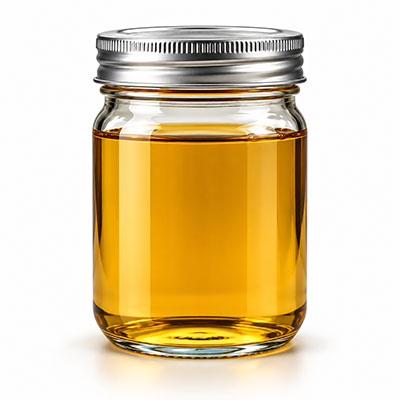
Fresh oil
Clean oil provides the lubrication and protection intended for the engine.
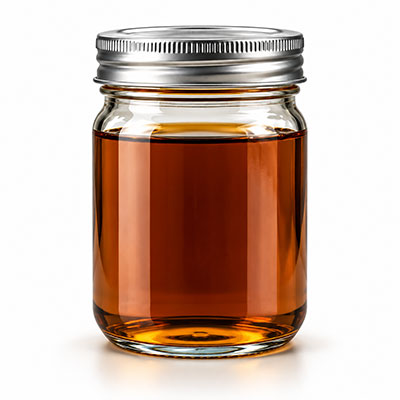
Used oil
Heat and contaminants gradually change the oil as the miles accumulate.
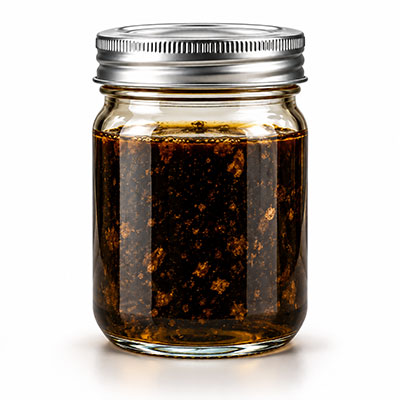
Deposits & sludge
Neglected oil can contribute to deposits and sludge that restrict oil circulation.
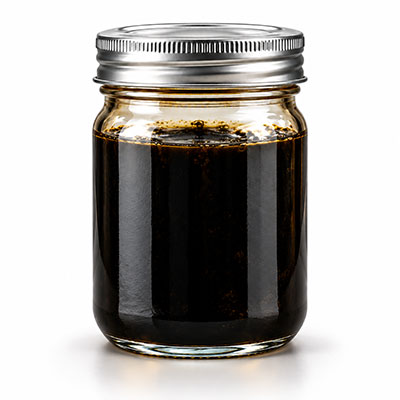
Increased damage risk
Poor lubrication can increase friction, heat and wear inside the engine.
Explore the effect of delaying an oil change
Switch between time and mileage and move the slider to see how concern can increase as an oil change is delayed.
Illustrative guide
Lower concern
At this point the guide shows relatively low concern, provided the vehicle is still within the manufacturer's recommended oil-change interval.
Engine wear
Lower
Sludge build-up
Lower
Overheating risk
Lower
This is an educational illustration, not a service-interval calculator or diagnosis. Oil-change requirements vary considerably. Always follow the maintenance schedule, oil specification and oil-life information provided for your vehicle.
What damage can neglected oil cause?
Increased engine wear
Oil separates and protects moving engine components. When the oil can no longer perform that job effectively, friction can increase and components may wear more quickly.
Deposits and sludge
Contaminated and degraded oil can contribute to deposits inside the engine. In severe cases, sludge can restrict oil passages and interfere with the circulation of oil to components that depend on it.
Higher temperatures
Engine oil also carries heat away from moving components. If lubrication deteriorates, additional friction can generate more heat while the oil becomes less effective at protecting those components.
Serious engine damage
If poor lubrication continues for long enough, wear and heat can become severe. The eventual result can be expensive internal engine damage and, in extreme cases, engine failure.
How long can you go without changing your oil?
There isn't one mileage or time interval that is correct for every car. Modern vehicles can have very different maintenance requirements, and many use an oil-life monitoring system that considers how the vehicle is being operated.
The correct starting point is therefore your owner's manual or the manufacturer's maintenance information for your exact vehicle.
Driving conditions matter too. Repeated short journeys, towing, heavy loads, extreme temperatures and prolonged stop-and-go use can place different demands on the oil and may be covered by a more demanding maintenance schedule.
What should you do if your oil change is overdue?
Being slightly beyond a scheduled oil change does not mean an engine will suddenly fail. But the longer maintenance is postponed, the less sense it makes to keep adding mileage unnecessarily.
Check the manufacturer's maintenance information and arrange the oil and filter change if it is due. Use the correct oil specification for the engine rather than choosing oil purely by brand or price.
An oil-pressure warning is different from a routine oil-change reminder. If an oil pressure warning appears while driving, follow the vehicle manufacturer's warning instructions rather than simply waiting for the next scheduled service.
The bottom line
Delaying an oil change a little is not the same as never changing the oil. The real danger comes from repeatedly neglecting maintenance until degraded, contaminated oil can no longer protect the engine properly. Follow the schedule for your particular vehicle rather than relying on a universal mileage rule.