

START HERE · INTERACTIVE GUIDE
What can happen when a sump pump stops working?
Move through five possible stages. This is an illustration, not a prediction of how many minutes or hours you have. A pump can fail without flooding if the pit stays dry, and a basement can flood rapidly during extreme rainfall.
From pump operation to basement damage
Drag the handle, choose a stage or use Previous / Next.
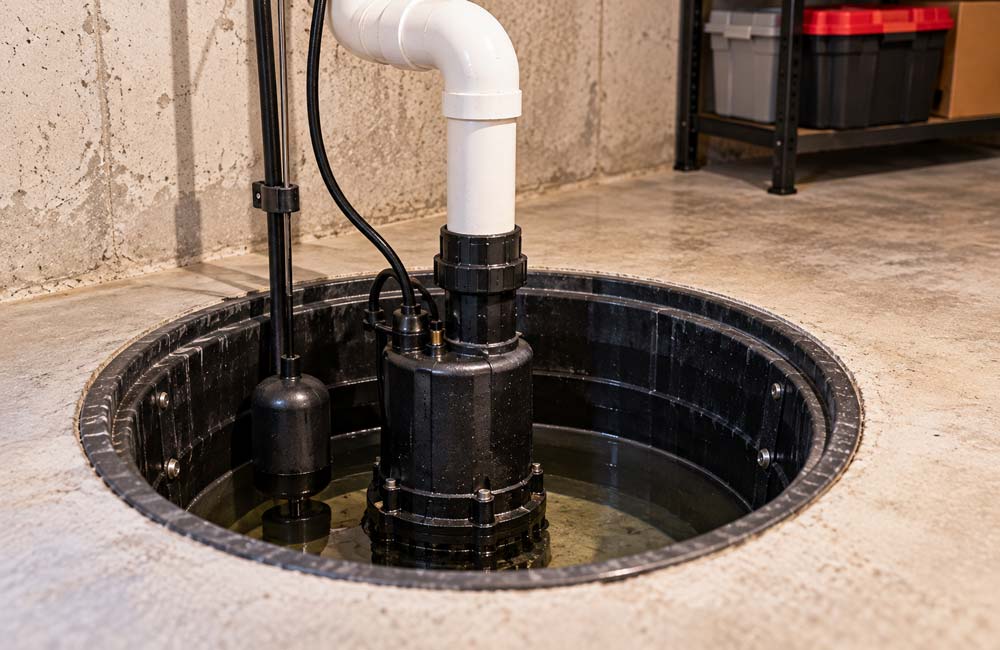
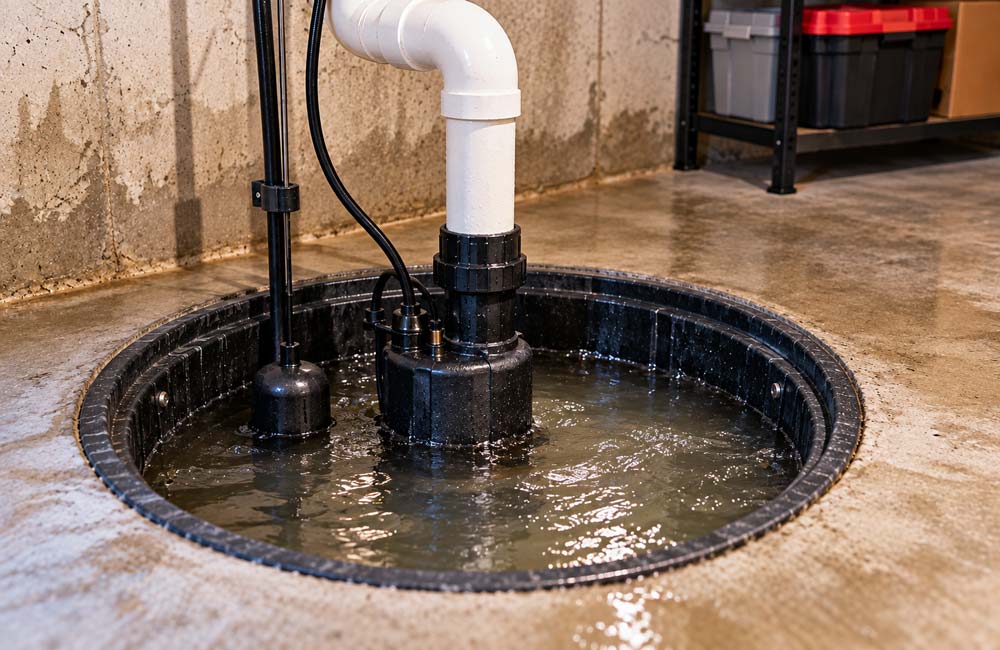
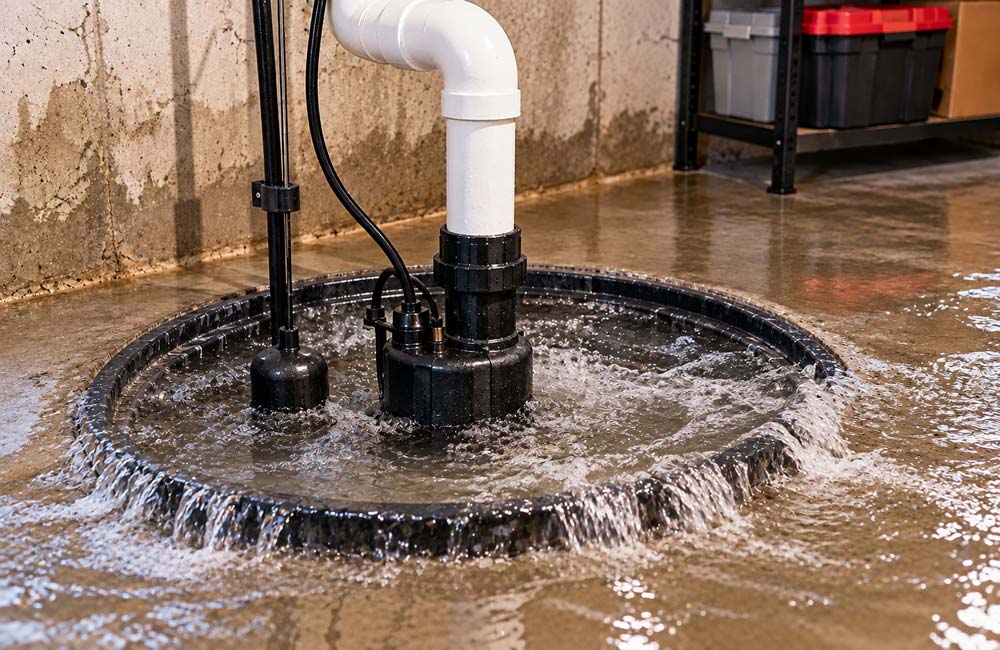
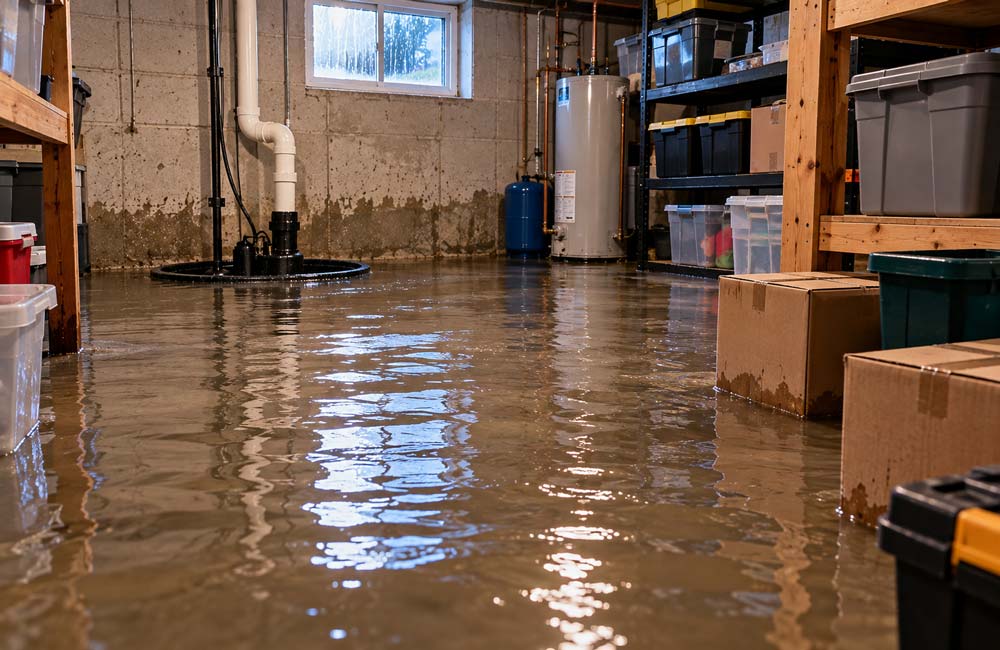
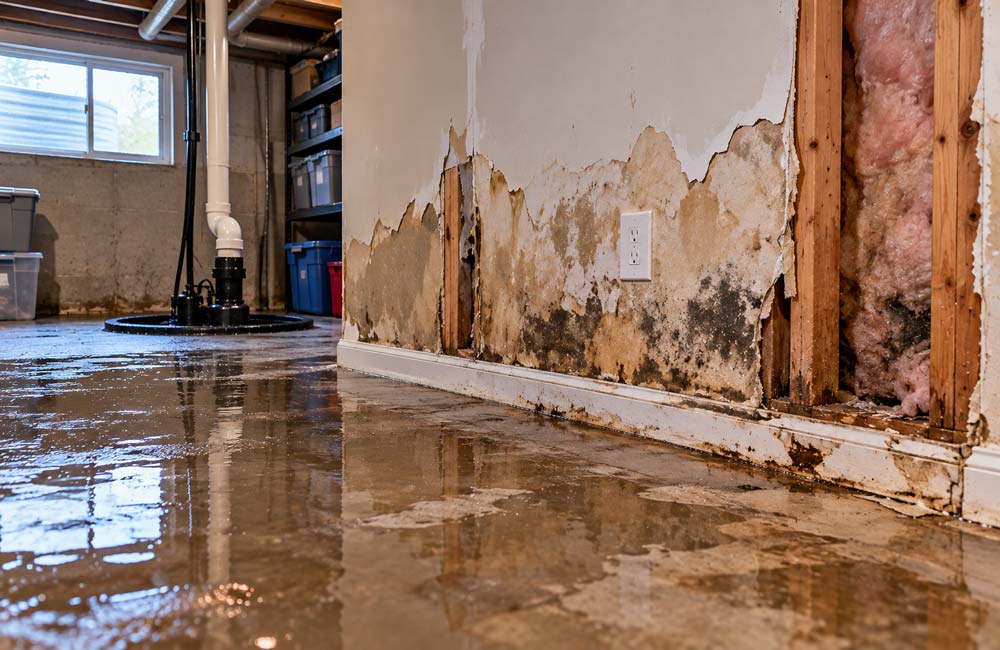
The pump removes incoming groundwater
The float activates the pump when water reaches the set level.
- What you may notice
- Water level cycles
- Main concern
- Routine maintenance
- Next step
- Test and maintain
Illustrative only. Never enter standing water to check a pump or electrical outlet.
STEP 2 · QUICK SYMPTOM CHECK
What is happening with your sump pump?
Choose the closest situation. The advice helps prioritize a safe next step; it cannot diagnose electrical or mechanical faults.
Relevant safety guidance will appear here.
UNDERSTANDING THE SYSTEM
Why does a sump pump fail?
A sump pump sits in a pit at a low point of the basement. Groundwater drains into that pit and, when the water reaches a set level, a float switch starts the pump. The discharge pipe carries water away from the house. The system depends on the pump, switch, power supply and discharge route all working together.
Power outages
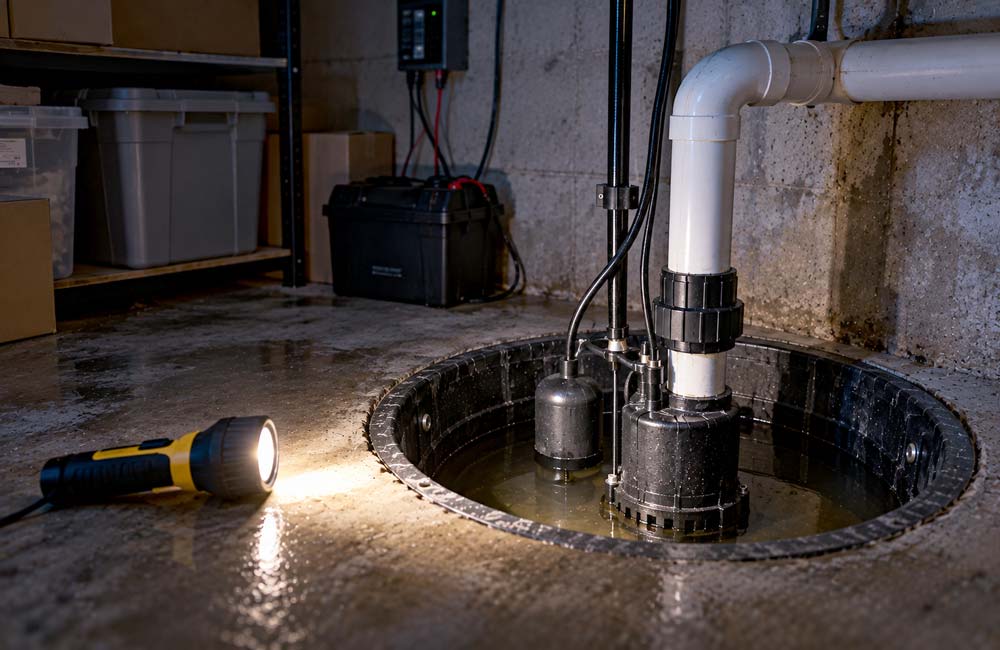
Most primary sump pumps run on household electricity. Thunderstorms can increase groundwater at exactly the time power fails. Without a functioning battery-backed or other approved backup, the main pump cannot operate until power returns.
Stuck or obstructed float switch
A float may jam against the basin wall, a pipe or debris. If it cannot rise, the pump may never start. A stuck-on switch can cause repeated running and may shorten equipment life. Keep the pit accessible and follow the manufacturer's maintenance instructions rather than reaching into energized water.
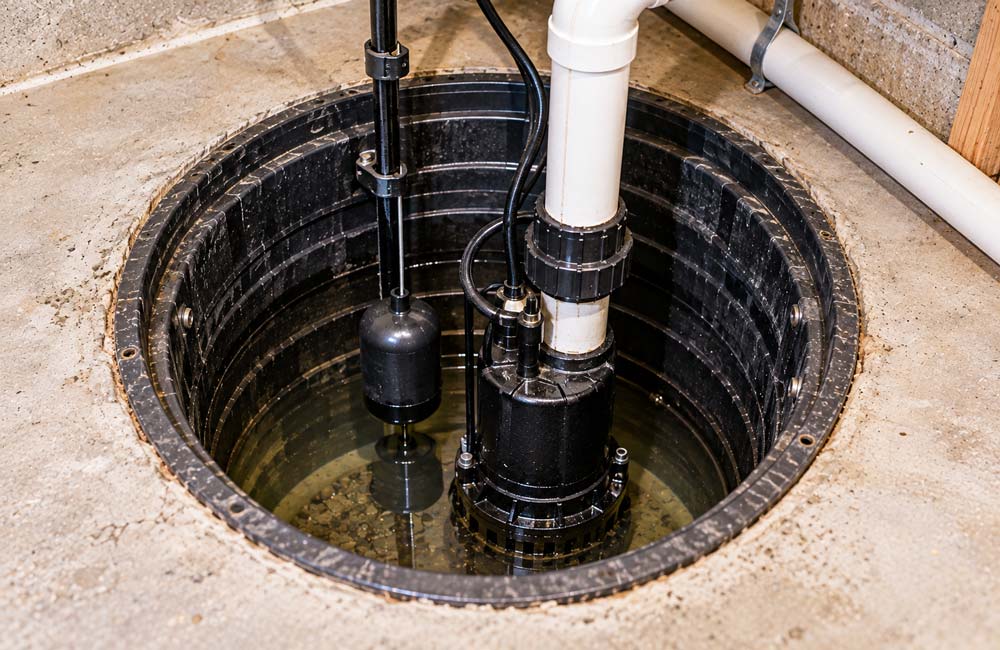
Clogged intake, worn motor or failed check valve
Silt and debris can restrict an intake or jam an impeller. Motors can wear out or overheat. A faulty check valve may let pumped water flow back into the pit, causing frequent cycling. A loud hum with no pumping, grinding noises or repeated breaker trips calls for professional attention rather than repeated resets.
Blocked, frozen or poorly routed discharge
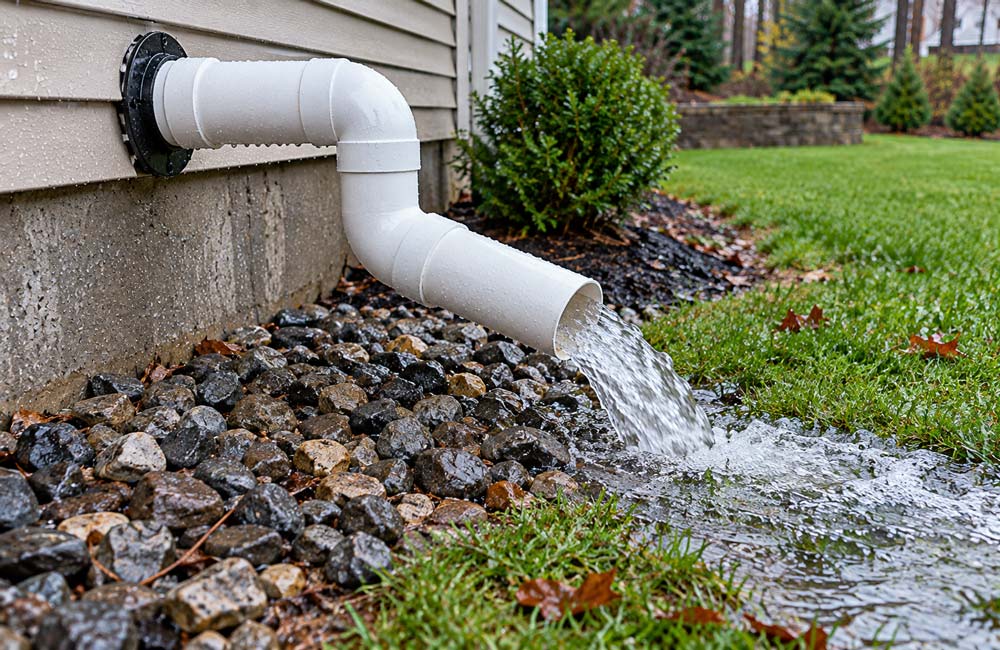
Even a healthy pump cannot protect the basement if the outlet is obstructed. In cold climates, frozen discharge piping is a particular risk. Water discharged too close to the foundation may seep back toward the house, forcing the system to work harder.
The pump cannot keep up
A pump can be working normally yet still be undersized for exceptional groundwater inflow. An overwhelmed pump is different from a failed one, but the outcome may be similar: the pit fills faster than water is removed. A qualified installer can assess capacity, drainage and whether a secondary pump is justified.
EARLY WARNING SIGNS
How can you tell if a sump pump is failing?
- Water stays unusually high: the pit does not empty after the float should activate.
- No pumping sound when the pit is full: possible power, switch or motor issue.
- Continuous or very frequent cycling: check valve, switch, discharge or groundwater issue.
- Unusual grinding, rattling or humming: possible debris or mechanical trouble.
- Water around the pit or along the basement floor: possible overflow or another water source.
- Alarms or backup activation: treat these as signals to investigate, not as proof that the basement is safe.
Not every sump pit contains water year-round. A silent pump in a dry pit is usually normal. What matters is whether the system responds when water actually rises.
ACTION PLAN
What should you do if your sump pump stops working?
- Protect people first. Stay out of any basement with standing water if electrical outlets, appliances or wiring may be affected. If you suspect electrical danger, call the utility or a qualified electrician. Do not wade in to unplug or reset the pump.
- Check conditions from a safe, dry position. Note whether the power is out, whether the pump is running and whether water is rising. Do not open electrical equipment or touch wet plugs.
- Call a qualified plumber or sump pump specialist. Explain whether the pit is filling, the pump is silent or running continuously, and whether you have a backup system.
- Arrange safe water removal if flooding has begun. Restoration professionals may be needed, particularly when water reaches electrical systems or may be contaminated.
- Document the damage. Photograph conditions from a safe location, record the date and keep repair and cleanup receipts. Ask your insurer about the relevant coverage before assuming a claim will be paid.
- Dry affected materials promptly. Once it is safe and the water source is controlled, dry or remove wet items and check hidden spaces. Professional assistance may be appropriate for extensive water damage.
Important: A generator must never run inside a home, basement, garage or near open windows. Fuel-powered equipment creates a serious carbon monoxide hazard.
WHAT CAN GO WRONG
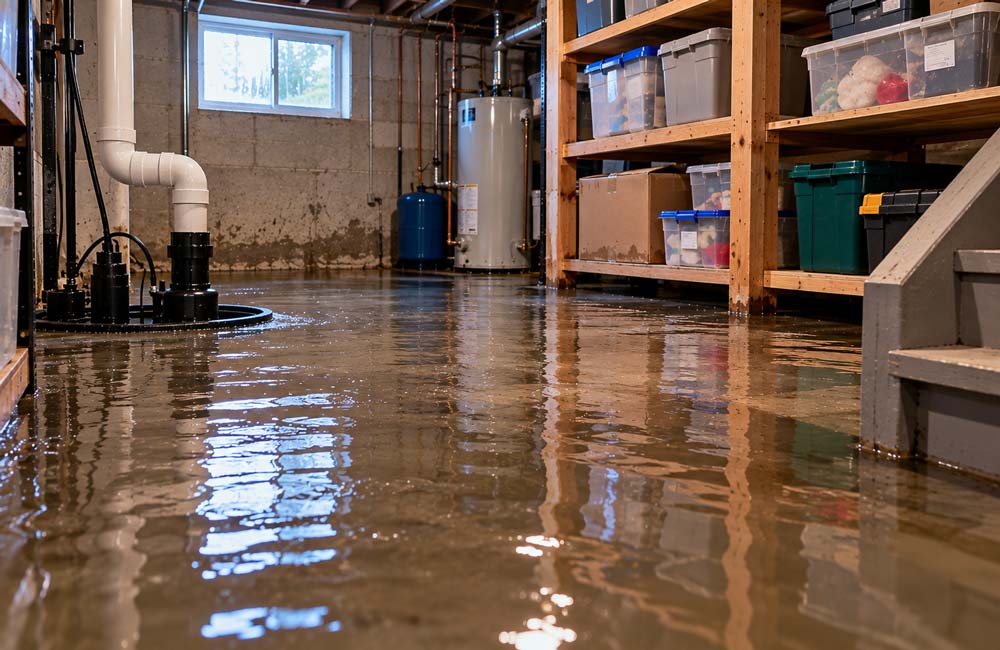
What damage can a failed sump pump cause?
Basement flooding and lost belongings
Water may reach stored boxes, furniture, appliances, laundry equipment and finished rooms. Cardboard and fabric absorb water quickly. A shallow flood can still damage flooring and the lower portions of walls; deeper flooding can affect equipment and utilities. Damage depends on depth, duration and what the water touches.
Wet drywall, flooring and insulation
Porous materials can hold moisture after visible water is removed. Flooring underlayment, wall cavities and baseboards may need inspection. The correct response depends on whether the water is clean groundwater or potentially contaminated floodwater or sewage.
Mold and persistent damp
The US Environmental Protection Agency recommends drying wet materials within 24–48 hours to reduce the likelihood of mold. This is a cleanup target, not a guarantee: mold may develop sooner or later depending on conditions. A musty odor or recurring damp patches warrant further investigation.
Electrical and health hazards
Standing water near electrical outlets, extension cords, furnaces or water heaters can be dangerous. Floodwater may also carry sewage or other contaminants. Keep children and pets away from affected areas until conditions are assessed.
Does a sump pump failure damage the foundation?
A single overflow does not automatically cause structural failure. However, repeated water intrusion, hydrostatic pressure and persistent moisture can worsen existing basement and foundation problems. Visible movement, major cracks or other structural warning signs require qualified assessment.
REDUCING THE RISK
Will a battery backup prevent basement flooding?
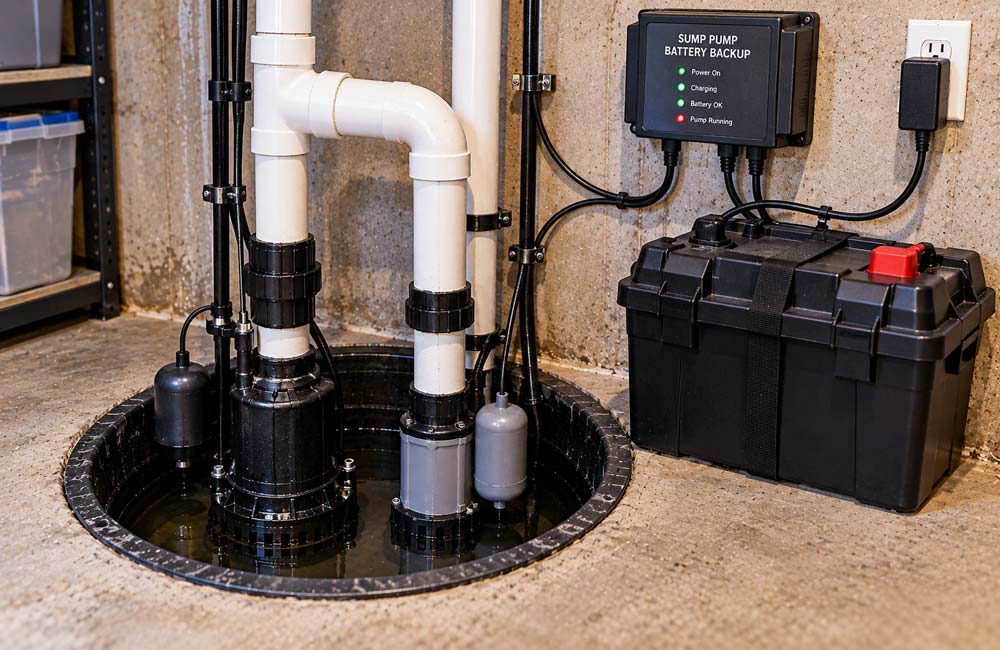
A properly installed battery backup can operate a secondary pump during a power outage or main-pump failure, depending on the system. It adds protection but does not guarantee a dry basement: batteries have limited runtime, pumps have capacity limits and discharge lines can still block.
Some homes use water-powered backup pumps where local plumbing rules and water pressure allow them. These systems have different installation requirements and may use significant municipal water. A high-water alarm can provide warning but cannot pump water on its own.
What should you compare before buying a backup?
Ask an installer about pumping capacity at your actual discharge height, expected battery runtime, charger and battery maintenance, alarms, check valves, and whether both pumps can discharge safely during heavy rain. Choose a system appropriate to the home rather than relying on a generic advertised gallons-per-hour figure.
REPAIR AND INSURANCE
How expensive can a sump pump failure become?
Replacing a failed switch or clearing a blockage may be a smaller job than installing a new pump and backup. Costs can rise sharply when finished basement flooring, drywall, cabinets, electrical equipment or stored belongings are damaged. The final bill depends on local labor rates, access, the equipment needed, water depth and cleanup scope.
Insurance is not automatic. Many standard US homeowners policies exclude groundwater or sump-pump overflow unless optional water-backup or sump-overflow coverage was purchased. Even with an endorsement, deductibles, limits, exclusions and the cause of loss matter. Flood insurance is a separate product and may not cover every sump-pump scenario. Read your declarations and endorsement wording and ask the insurer to explain any decision.
Before hiring a contractor, request a written scope and distinguish the cost of repairing the pump from water mitigation and rebuilding. Keep photographs and receipts; avoid throwing away damaged items before documenting them when it is safe to do so.
PREVENTION CHECKLIST
How do you reduce the chance of sump pump failure?
- Follow the pump manufacturer's testing and cleaning schedule, especially before rainy seasons.
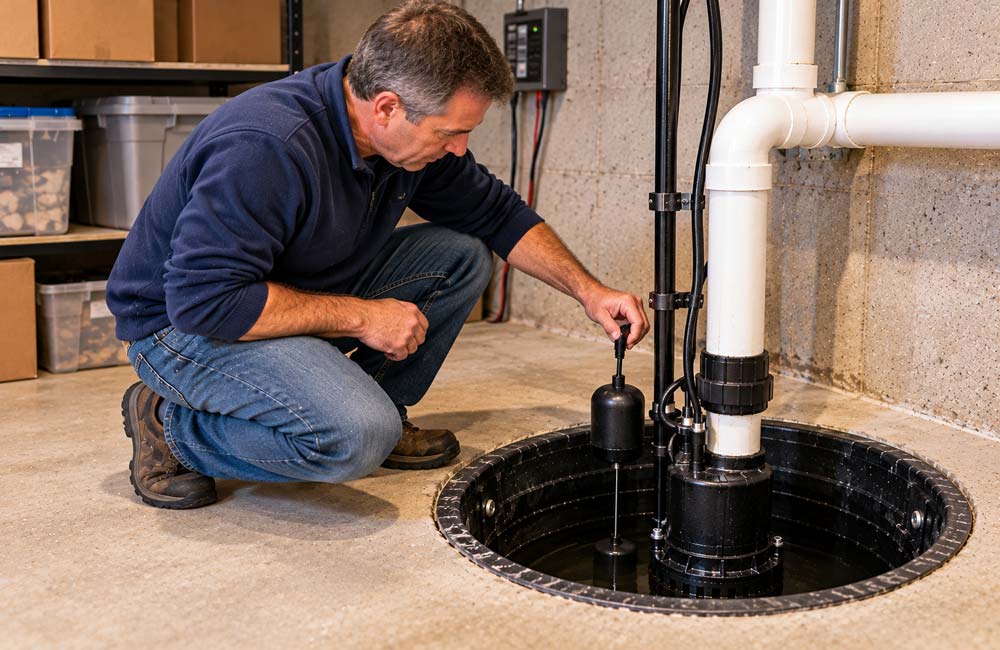
- Confirm that the float can move freely and that the pit is free from debris, using safe procedures and isolation instructions.
- Inspect accessible discharge outlets for blockage and freezing risk.
- Keep gutters and downspouts working and direct surface water away from the foundation.
- Consider a high-water alarm and professionally installed backup power or a second pump.
- Replace worn equipment before it fails rather than waiting for a storm.
- Know whom to call and where valuables can be moved if water rises.
Testing usually involves adding water to the pit and confirming that the pump activates and discharges properly, but only follow the manufacturer's instructions and never test equipment while standing in water or where electrical hazards are present.
COMMON QUESTIONS
Sump pump failure FAQs
How long can a basement go without a sump pump?
There is no reliable universal time. A dry pit may stay dry for weeks, while a pit receiving heavy groundwater inflow can overflow much sooner. Rainfall, soil, drainage and pit size determine the risk.
What if the sump pump fails during heavy rain?
Keep out of rising water, check for safe access only from dry ground and contact a professional promptly. A working backup may help, but do not assume it can handle unlimited inflow.
Why is my sump pump running but not pumping water?
Possible causes include a clogged intake, damaged impeller, obstructed discharge, air lock or mechanical failure. A professional can diagnose the cause safely.
Does a sump pump need to run constantly?
No. Most pumps cycle on and off with the water level. Continuous operation can indicate heavy inflow, an undersized system or a fault.
Should I reset the breaker if the sump pump stops?
Do not approach electrical equipment in wet conditions. A breaker that repeatedly trips can indicate an electrical fault and should be assessed by a qualified professional.
Will homeowners insurance cover sump pump failure?
Often not under standard coverage alone. Some policies offer optional water-backup or sump-overflow endorsements. Coverage depends on the exact policy and cause of loss.
Can I use a shop vacuum to remove basement water?
Only when the area is confirmed electrically safe and the equipment is rated for the task. Do not enter flooded areas with possible electrical hazards or contaminated water.
What is the difference between a sump pump and a sewage ejector pump?
A sump pump usually removes collected groundwater. A sewage ejector pump moves wastewater from below the sewer line; the two systems are not interchangeable.
FURTHER READING
Useful US sources
- US EPA — Cleaning and drying a flooded home
- US EPA — Moisture and mold prevention
- Ready.gov — Flood preparedness and safety
- FloodSmart — US flood insurance information
General information only. For electrical hazards, contaminated floodwater, insurance coverage or structural concerns, obtain qualified local advice.
THE BOTTOM LINE
A sump pump failure is urgent when water is rising—not simply because the pump is silent.
If groundwater is entering faster than it can be removed, the pit may overflow and water can reach belongings, walls and utilities. Prioritize electrical safety, arrange professional repair and water removal, and dry affected materials quickly. A tested backup system, good exterior drainage and regular maintenance can reduce the risk of the next failure.
RELATED QUESTIONS